

Richard Nixon (USA, 1913–1994): The Price of Paranoia
Richard Nixon's political career was one of extraordinary resilience and remarkable achievements. From a humble Quaker upbringing, he rose to become a Congressman, Senator, Vice President, and ultimately, the 37th President of the United States. His presidency saw historic breakthroughs, including opening relations with China, creating the Environmental Protection Agency, and ending the Vietnam War. Yet, his legacy is inextricably linked to one of the darkest chapters in American political history: Watergate.
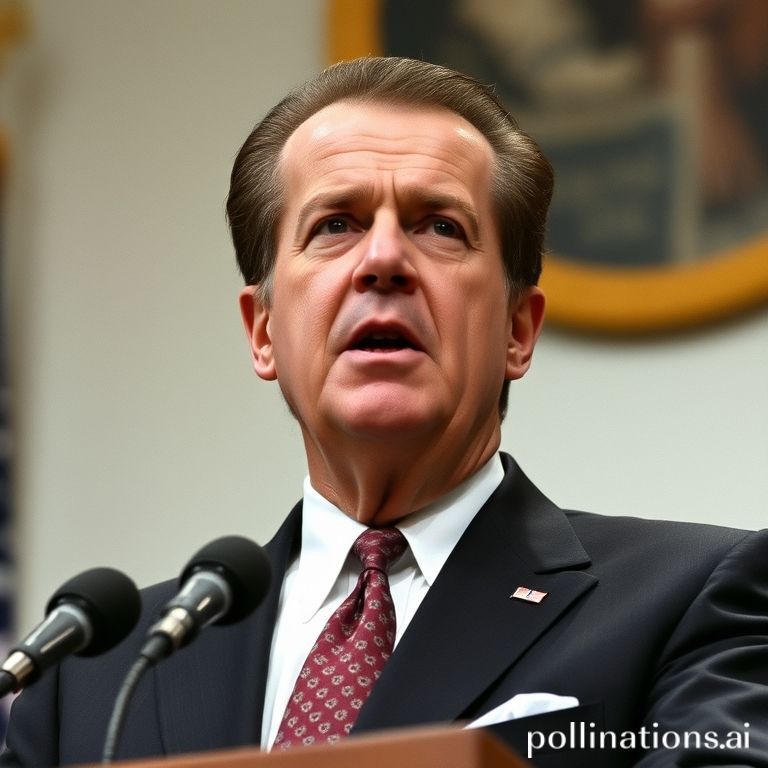
His bad habit: **paranoia and secrecy.** Beneath the surface of a skilled statesman lay a profound sense of distrust and a compulsive need for control and secrecy. Nixon harbored deep suspicions about his political opponents, the media, and even members of his own administration. This pervasive paranoia led him to authorize covert operations and maintain an elaborate system of surveillance and record-keeping, fundamentally eroding trust both within his government and with the American public.
Brilliant strategist, but Watergate exposed his dark side. Nixon was undoubtedly a brilliant political strategist, often outmaneuvering his rivals with shrewd tactics. However, this strategic acumen was tragically tainted by his underlying insecurities. The infamous Watergate scandal, which began with a break-in at the Democratic National Committee headquarters, gradually exposed a network of political espionage, illegal activities, and a systematic cover-up orchestrated from the highest levels of his administration. The tapes, secretly recorded by Nixon himself, ultimately provided irrefutable evidence of his involvement and efforts to obstruct justice.
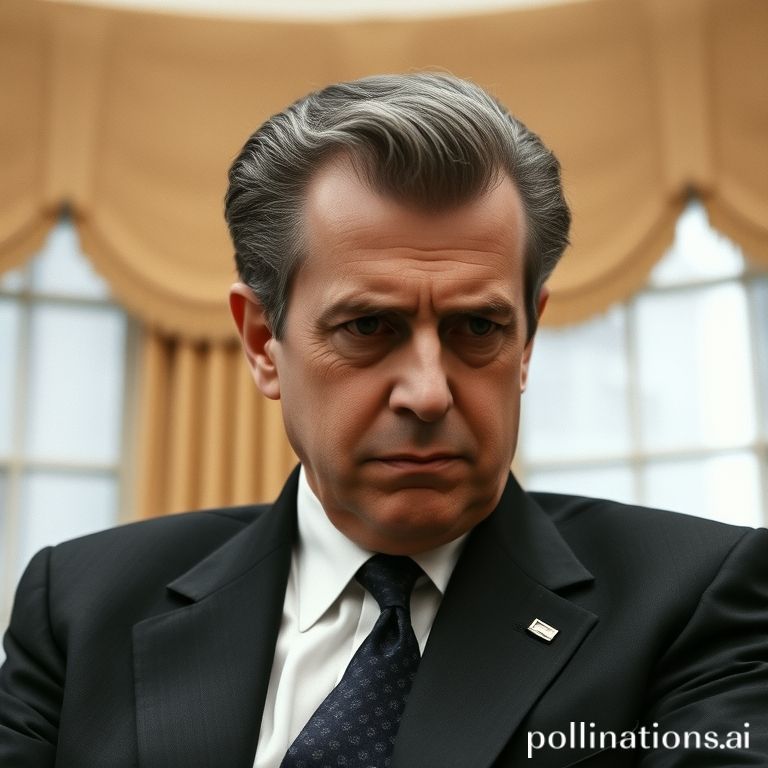
The only U.S. president forced to resign — undone by his own lies. As the Watergate scandal intensified, facing certain impeachment and conviction, Richard Nixon made the unprecedented decision to resign from the presidency on August 9, 1974. He became the only U.S. president in history to do so, his downfall a direct consequence of his attempts to cover up the scandal and his repeated deceptions to the nation. His political career, which once seemed indestructible, crumbled under the weight of his own paranoia and the lies it spawned.
Nixon's legacy remains a complex tapestry of groundbreaking foreign policy successes and a profound betrayal of public trust. The term "Watergate" itself has become synonymous with political scandal and cover-up, serving as a powerful reminder of the fragility of democracy and the accountability of those in power. His story is a stark illustration of how personal flaws, particularly paranoia and a commitment to secrecy, can lead to the undoing of even the most accomplished leaders.



0 Comments