

John F. Kennedy (USA, 1917–1963): The Allure and Peril of a Presidential Life
John F. Kennedy, the 35th President of the United States, remains one of the most charismatic and enigmatic figures in American history. Born into a powerful and ambitious family, JFK's rise to the presidency was marked by a youthful appeal, eloquent speeches, and a vision of a "New Frontier." His presidency, though tragically cut short, was defined by pivotal moments like the Cuban Missile Crisis, the space race, and advancements in civil rights.

His bad habit: **risk and temptation.** Beyond the public image of a youthful and vigorous leader, Kennedy harbored a deep-seated inclination towards risk, both in his political strategies and personal life. This propensity for living on the edge manifested in various aspects of his existence, often pushing boundaries and courting danger.
Brilliant leader but addicted to danger — women, politics, and secrecy. As a politician, Kennedy was a master strategist, navigating the treacherous waters of the Cold War with a blend of firmness and diplomacy. Yet, this same thrill-seeking nature extended to his private affairs. He engaged in numerous extramarital relationships, a secret lifestyle that created immense personal vulnerability. The inherent danger in these liaisons, coupled with his chronic health issues managed with a cocktail of medications, added layers of complexity and risk to his daily life, all carefully hidden from public view.
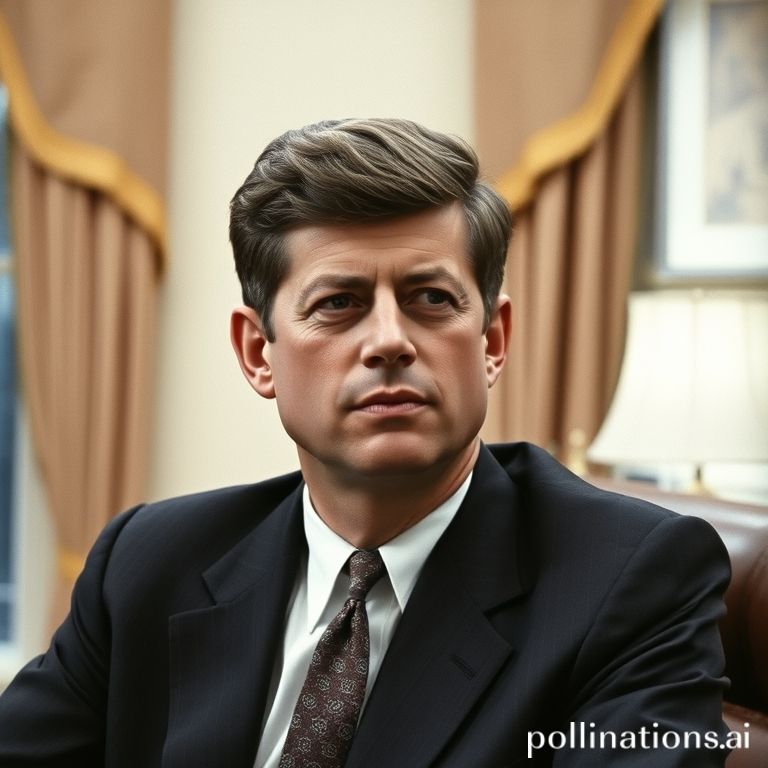
His charm made him loved; his secrets made him vulnerable. Kennedy's charisma was legendary, making him adored by millions and inspiring a generation. His captivating smile, quick wit, and eloquent delivery were powerful tools that resonated deeply with the American public. However, the meticulous secrecy required to maintain his private life created fissures in his carefully crafted public persona. The constant threat of exposure, while never fully realized during his lifetime, left him susceptible to potential blackmail and exploitation, making his position, both personally and politically, inherently precarious.
The tragic assassination of John F. Kennedy in Dallas in 1963 shocked the world and forever altered the course of American history. While his public image remains one of a visionary leader, the posthumous revelations about his health and personal life have added a complex dimension to his legacy. He remains a figure of immense fascination, embodying both the immense power and profound vulnerabilities that can accompany extraordinary leadership.


0 Comments