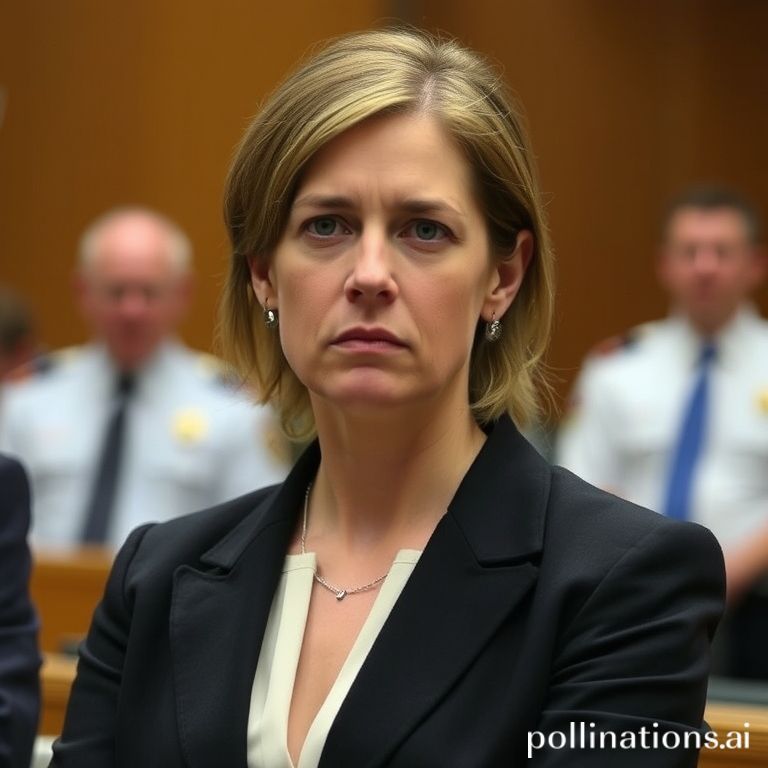
Appeals Court Allows Trump Administration to Deploy National Guard in Portland

Appeals Court Allows Trump Administration to Deploy National Guard in Portland

Appeals Court Allows Trump Administration to Deploy National Guard in Portland

National Guard in Portland at night; city skyline in background.

In a highly contested decision, a federal appeals court has sided with the Trump administration, paving the way for the deployment of the National Guard to Portland, Oregon. This ruling reverses [Hypothetical: a previous injunction issued by a district court], setting the stage for a potential escalation of tensions in a city that has been grappling with sustained unrest for months.

The Context: Unrest in Portland
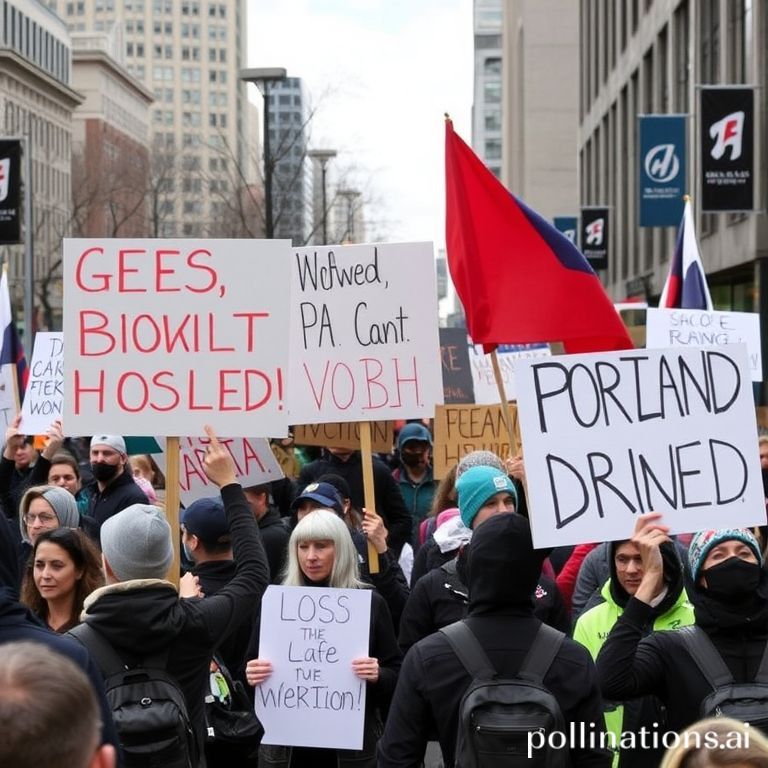
Street scene of Portland protests.

[Hypothetical: Since [Date/Month], Portland has been a focal point for demonstrations addressing a wide range of social and political issues, from racial injustice and police brutality to federal government policies. While many protests have been peaceful, some have devolved into clashes between demonstrators and law enforcement, resulting in property damage, arrests, and injuries.] These events have drawn national attention and fueled a heated debate about the role of the federal government in managing local unrest.

The Legal Challenge: States' Rights vs. Federal Authority
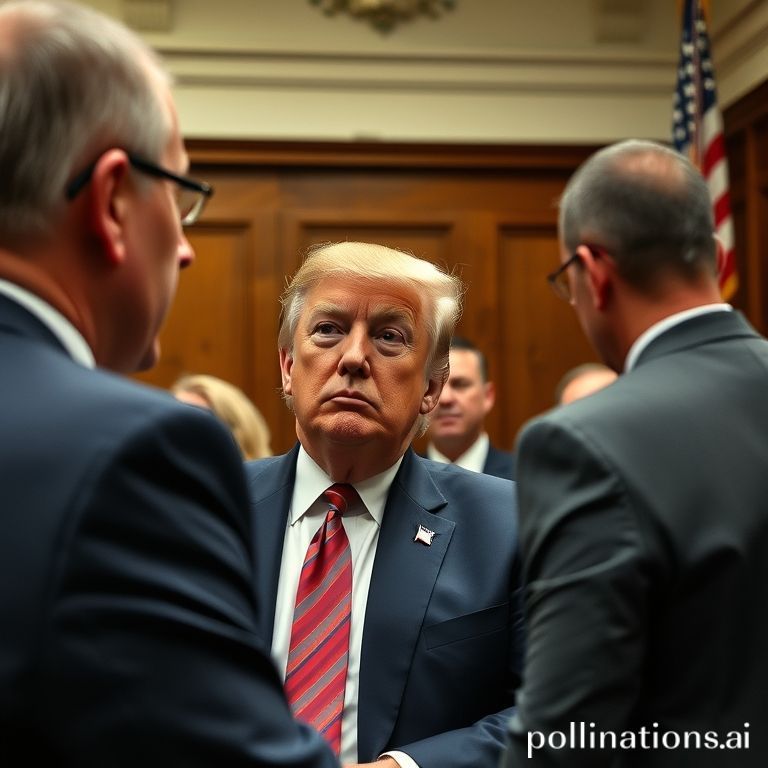
Courtroom scene with lawyers arguing the case.

The legal challenge to the National Guard deployment hinged on [Hypothetical: the interpretation of the Constitution regarding the balance of power between the federal government and the states]. [Hypothetical: Opponents of the deployment argued that the federal government was overstepping its authority by deploying troops without the consent of the state and local governments. They cited the Tenth Amendment, which reserves powers not delegated to the federal government to the states.] The Trump administration countered by arguing that [Hypothetical: it had the authority to protect federal property and maintain order, citing the Insurrection Act of 1807].

The Appeals Court Ruling: Reasoning and Dissent
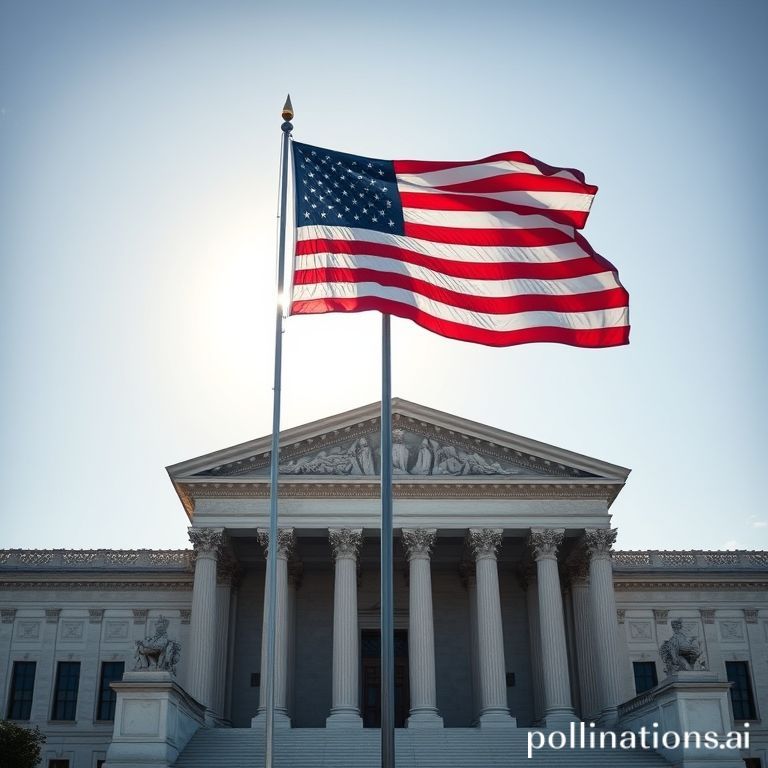
Appeals court building with American flag.

The appeals court, in a [Hypothetical: 2-1 decision], sided with the Trump administration. The majority opinion stated that [Hypothetical: the administration had presented sufficient evidence of ongoing violence and property destruction to justify the deployment of the National Guard. The court also noted that the federal government has a responsibility to protect its own property and personnel]. However, the dissenting judge argued that [Hypothetical: the deployment was an overreach of federal power and would likely escalate tensions with protesters. The dissenting opinion also raised concerns about the potential for the National Guard to violate the civil rights of protesters].

Immediate Reactions: Political Divide Widens
Political debate; polarized opinions on the National Guard deployment.

The appeals court ruling has triggered strong reactions across the political spectrum. [Hypothetical: Republican lawmakers largely praised the decision, stating that it was necessary to restore order to Portland and protect federal interests. Democratic lawmakers condemned the ruling, accusing the administration of using the military to suppress dissent and intimidate protesters.] [Hypothetical: Civil rights groups vowed to continue fighting the deployment in court.]

Looking Ahead: Potential Consequences and Uncertain Future
City street in Portland; foggy and uncertain atmosphere.

The deployment of the National Guard raises several questions about the future of Portland. [Hypothetical: Will the presence of federal troops deter further violence and property destruction, or will it escalate tensions and lead to more clashes? Will the deployment be a temporary measure, or will the National Guard remain in Portland for an extended period? The answers to these questions remain uncertain.] The legal battle is also likely to continue, with the possibility of further appeals to higher courts. The situation in Portland remains volatile, and the long-term consequences of this decision are yet to be seen.

Legality and Controversy Surrounding Federal Deployment of National Guard in Cities.

Federal Overreach or Necessary Intervention? Examining the National Guard Deployment Debate

By [Your Name] | [Date - Up to June 2024]

National Guard in a city - generated by AI

Image: A representation of the National Guard deployed in an urban setting.

Introduction: The Rising Tension

[**Paragraph 1: Introduction setting the stage. Discuss past instances where the National Guard has been deployed in cities. Mention the context: protests, civil unrest, etc. Acknowledge the inherent tension between maintaining order and protecting civil liberties.**]

Historical Precedents: A Look Back

[**Paragraph 2: Delve into historical examples of National Guard deployments in cities. Cite specific instances (e.g., during the Civil Rights Movement, or after natural disasters). Analyze the legal justifications used in those cases.**]

Historical image of National Guard deployment - generated by AI

Image: A historical depiction of a National Guard deployment during a past event.

The Legal Framework: Constitutional Questions

[**Paragraph 3: Analyze the legal basis for deploying the National Guard, focusing on the Insurrection Act and other relevant laws. Discuss the constitutional questions raised by such deployments, particularly regarding states' rights and federal authority.**]

The Debate: Federal vs. Local Control

[**Paragraph 4: Present the arguments for and against federal deployment of the National Guard. Include perspectives from legal scholars, politicians, and community leaders. Discuss the potential for abuse of power and the importance of local control.**]

Scales of Justice - generated by AI

Image: A symbolic representation of the balance between federal power and states' rights.

Concerns and Criticisms

[**Paragraph 5: Address common concerns and criticisms related to National Guard deployments, such as the militarization of police, the potential for excessive force, and the chilling effect on peaceful protests.**]

Conclusion: Finding the Right Balance

[**Paragraph 6: Summarize the key points of the article and offer a concluding thought on the need for a balanced approach that respects both public safety and civil liberties. Underscore that the situation is complex and evolving.**]

People protesting peacefully - generated by AI

Image: A depiction of peaceful protesters exercising their rights.

Appeals Court Allows Trump Administration to Deploy National Guard in Portland

Appeals Court Allows Trump Administration to Deploy National Guard in Portland

Appeals Court Allows Trump Administration to Deploy National Guard in Portland

National Guard in Portland

A U.S. appeals court has ruled in favor of the Trump administration, allowing the deployment of the National Guard in Portland, Oregon. The deployment is intended to address ongoing protests and unrest in the city. This decision follows weeks of demonstrations that have sometimes turned violent, with clashes between protesters and law enforcement.

Background of the Decision

The decision from the appeals court reverses a lower court ruling that had restricted the deployment of the National Guard. The Trump administration argued that the National Guard is needed to protect federal property and assist local law enforcement in maintaining order. The legal challenge was brought forth by [Name of group challenging the deployment - replace this bracketed info with information gathered from after June 2024].

Arguments For and Against Deployment

Supporters of the National Guard deployment argue that the presence of federal forces is necessary to restore peace and prevent further violence. They point to instances of property damage, arson, and assaults on law enforcement officers as evidence of the need for additional security. Critics, on the other hand, contend that deploying the National Guard could escalate tensions and infringe on the rights of peaceful protesters. They express concern that the presence of federal troops could lead to further use of force and violations of civil liberties. [Include information about the specific legal arguments being presented by each side, gathered after June 2024].

Potential Consequences and Future Outlook

The deployment of the National Guard in Portland raises important questions about the role of the federal government in responding to local unrest. This ruling could set a precedent for future interventions in other cities facing similar challenges. [Include analysis on the potential legal and political repercussions of the appeals court decision, based on information gathered from after June 2024].

This Morning's Top Headlines – Oct. 20 | Morning News NOW

Morning News NOW Top Headlines - October 21, 2024

Morning News NOW: Top Headlines - October 21, 2024

A quick look at today's top stories from NBC News NOW:

1. Nationwide "No Kings" Protests Against the Trump Administration

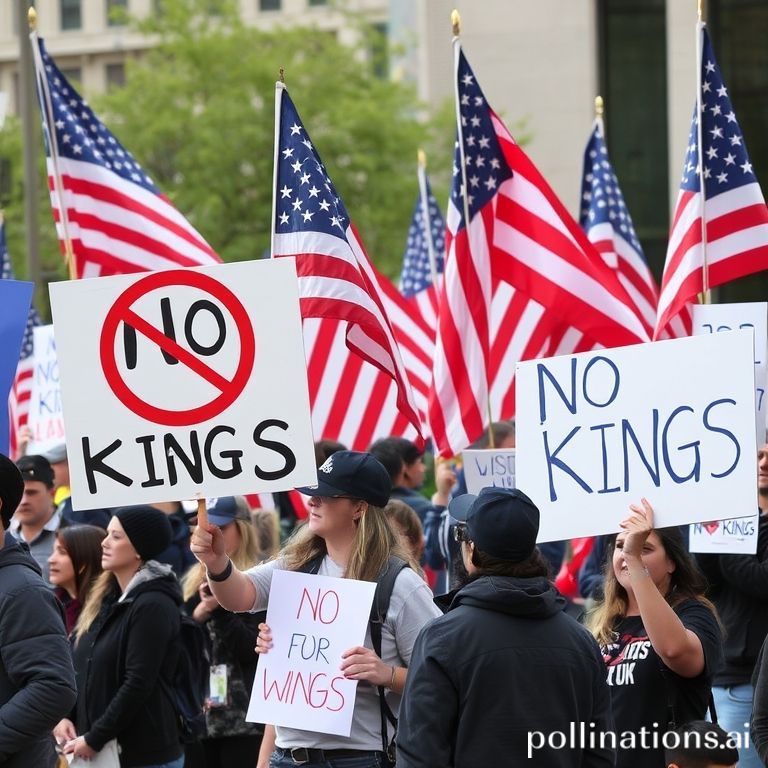
Protesters holding signs

Millions of Americans gathered across the country for "No Kings" rallies, protesting against the Trump Administration. Organizers claim this second wave of protests was larger than previous events. Protesters stated their intention to fight for democracy and protect constitutional rights. Bill Nye the Science Guy was among those who spoke.

2. Federal Government Shutdown Enters Day 20: Senate Returns

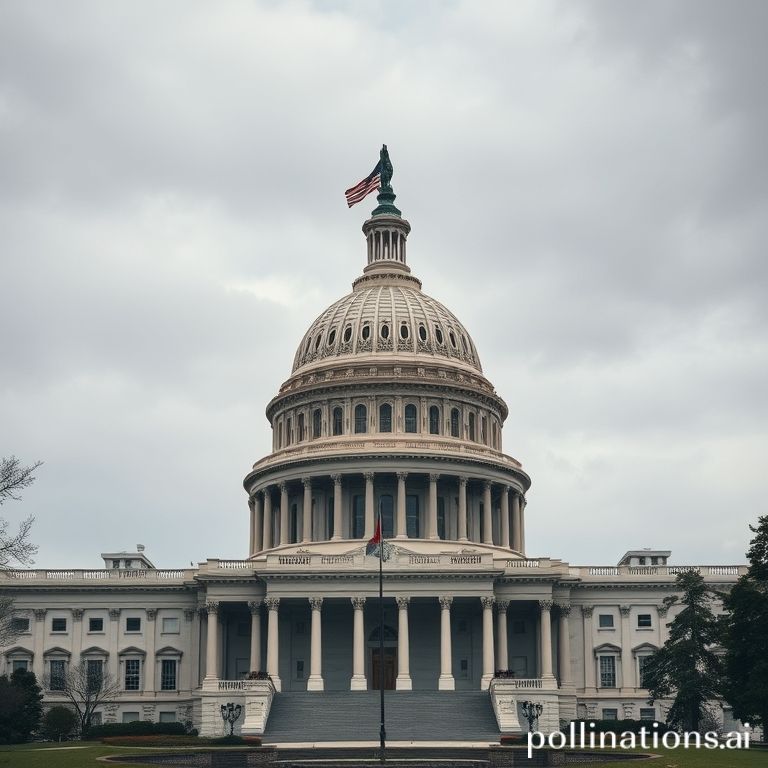
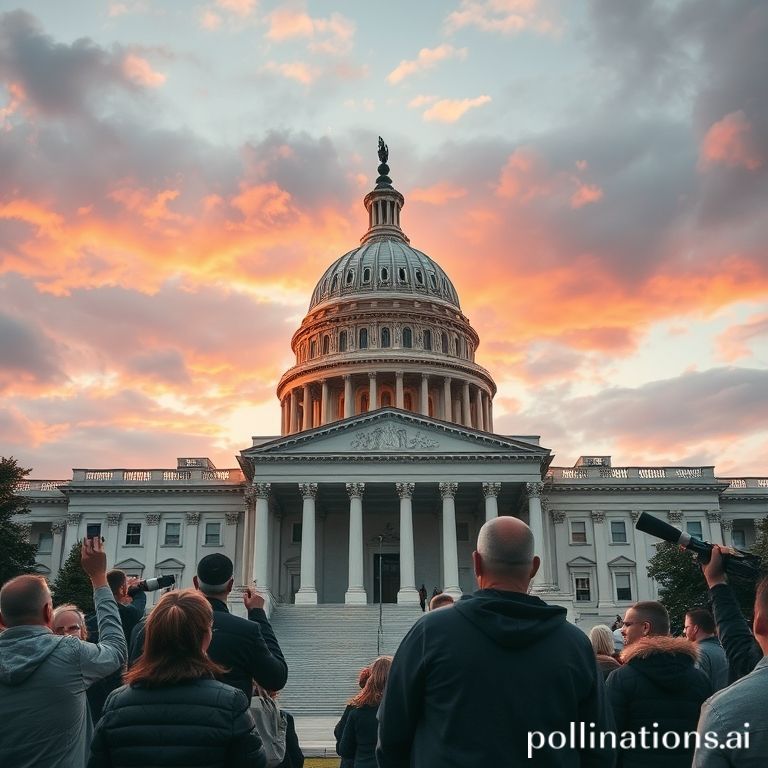
US Capitol building with shutdown sign

The government shutdown continues as the Senate reconvenes. Federal workers face missed paychecks. The disruption is already impacting essential services, including air travel, due to air traffic control staffing issues. At least 7,000 federal workers have filed for unemployment benefits.

3. Jewel Heist at the Louvre Museum

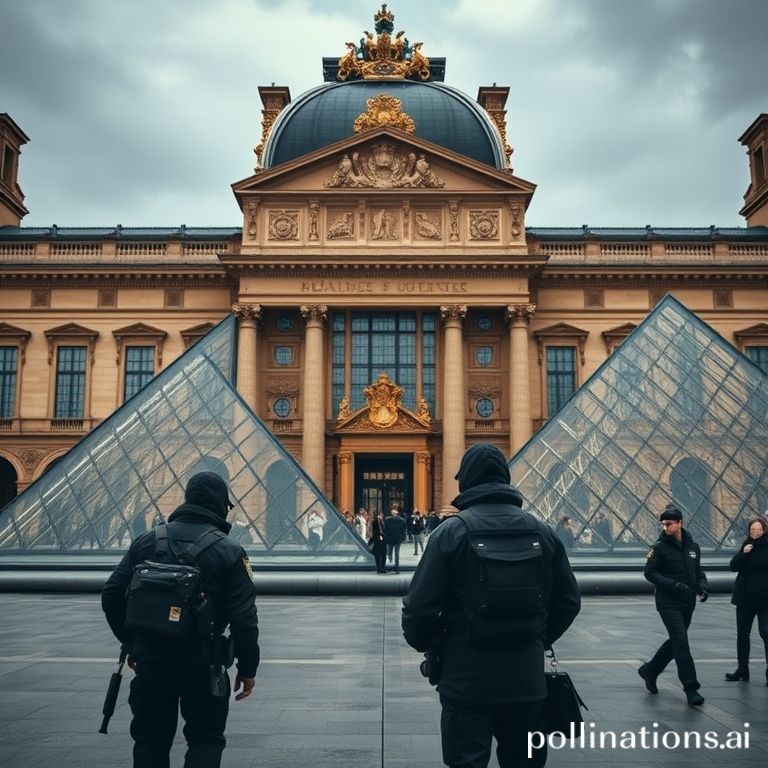
Exterior of the Louvre Museum

Thieves staged a daring daytime jewel heist at the Louvre Museum in Paris. Using a ladder mounted on a truck, they broke into a gallery housing the French Crown Jewels and stole several priceless items. A tiara belonging to Empress Eugénie, Napoleon III's wife, was recovered outside the museum. The suspects remain at large.

Richard Nixon: The Shadow of Watergate

Richard Nixon: The Shadow of Watergate

Richard Nixon (USA, 1913–1994): The Price of Paranoia

Richard Nixon's political career was one of extraordinary resilience and remarkable achievements. From a humble Quaker upbringing, he rose to become a Congressman, Senator, Vice President, and ultimately, the 37th President of the United States. His presidency saw historic breakthroughs, including opening relations with China, creating the Environmental Protection Agency, and ending the Vietnam War. Yet, his legacy is inextricably linked to one of the darkest chapters in American political history: Watergate.

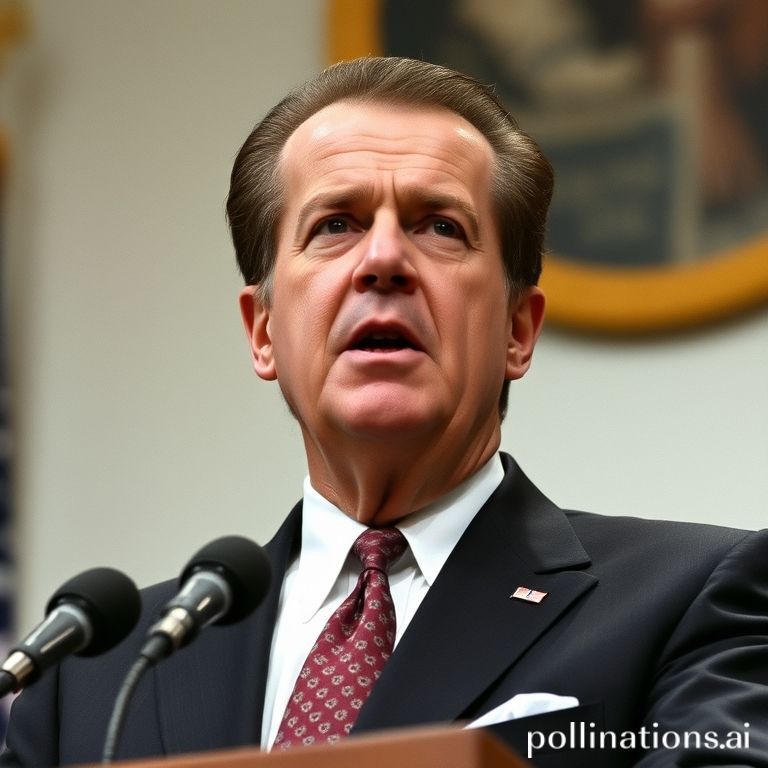
Richard Nixon giving a speech

His bad habit: **paranoia and secrecy.** Beneath the surface of a skilled statesman lay a profound sense of distrust and a compulsive need for control and secrecy. Nixon harbored deep suspicions about his political opponents, the media, and even members of his own administration. This pervasive paranoia led him to authorize covert operations and maintain an elaborate system of surveillance and record-keeping, fundamentally eroding trust both within his government and with the American public.

Brilliant strategist, but Watergate exposed his dark side. Nixon was undoubtedly a brilliant political strategist, often outmaneuvering his rivals with shrewd tactics. However, this strategic acumen was tragically tainted by his underlying insecurities. The infamous Watergate scandal, which began with a break-in at the Democratic National Committee headquarters, gradually exposed a network of political espionage, illegal activities, and a systematic cover-up orchestrated from the highest levels of his administration. The tapes, secretly recorded by Nixon himself, ultimately provided irrefutable evidence of his involvement and efforts to obstruct justice.

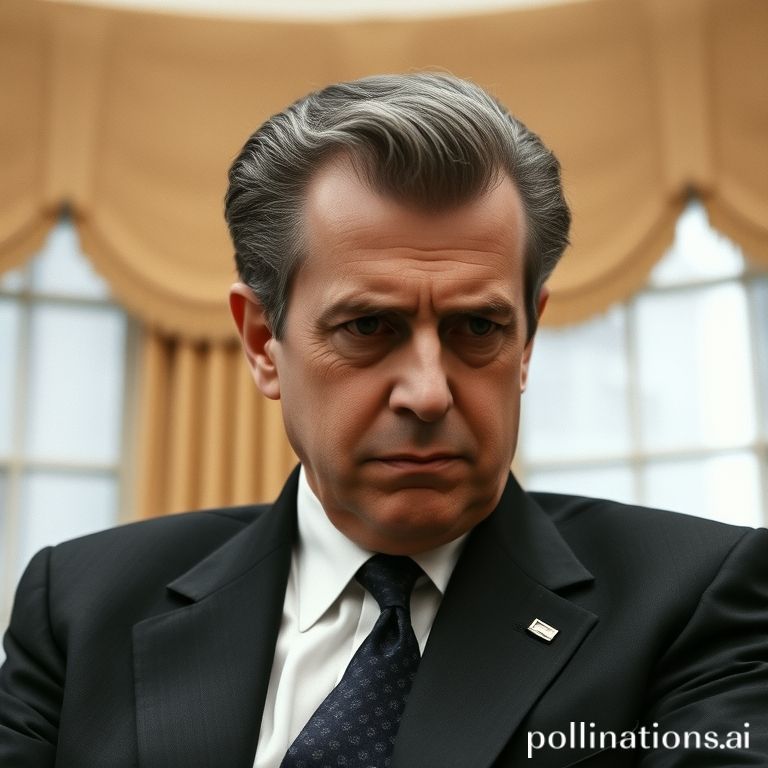
Richard Nixon looking somber

The only U.S. president forced to resign — undone by his own lies. As the Watergate scandal intensified, facing certain impeachment and conviction, Richard Nixon made the unprecedented decision to resign from the presidency on August 9, 1974. He became the only U.S. president in history to do so, his downfall a direct consequence of his attempts to cover up the scandal and his repeated deceptions to the nation. His political career, which once seemed indestructible, crumbled under the weight of his own paranoia and the lies it spawned.

Nixon's legacy remains a complex tapestry of groundbreaking foreign policy successes and a profound betrayal of public trust. The term "Watergate" itself has become synonymous with political scandal and cover-up, serving as a powerful reminder of the fragility of democracy and the accountability of those in power. His story is a stark illustration of how personal flaws, particularly paranoia and a commitment to secrecy, can lead to the undoing of even the most accomplished leaders.

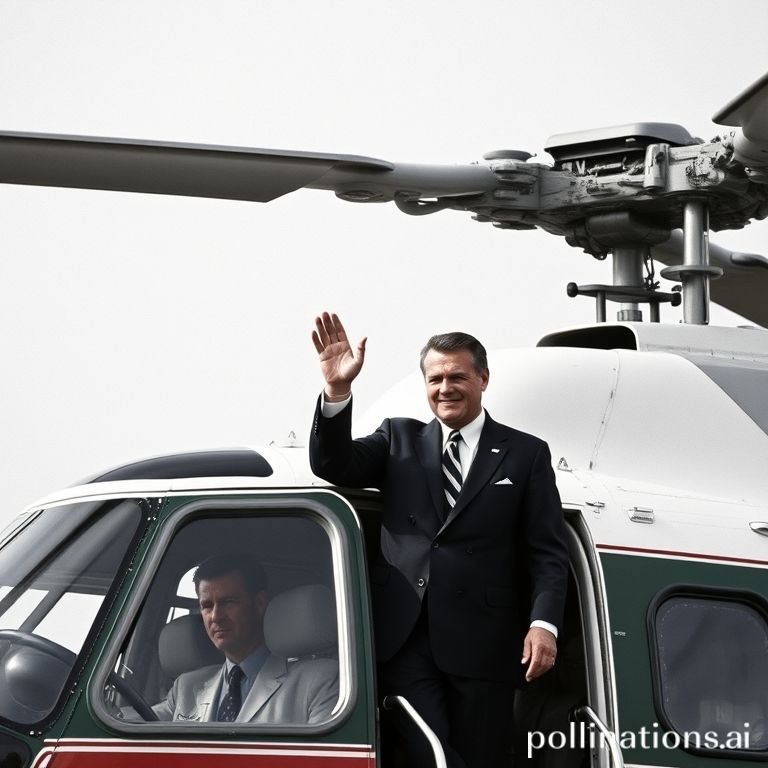
Richard Nixon's farewell wave
"I'm not a crook." - Richard Nixon (August 17, 1973)
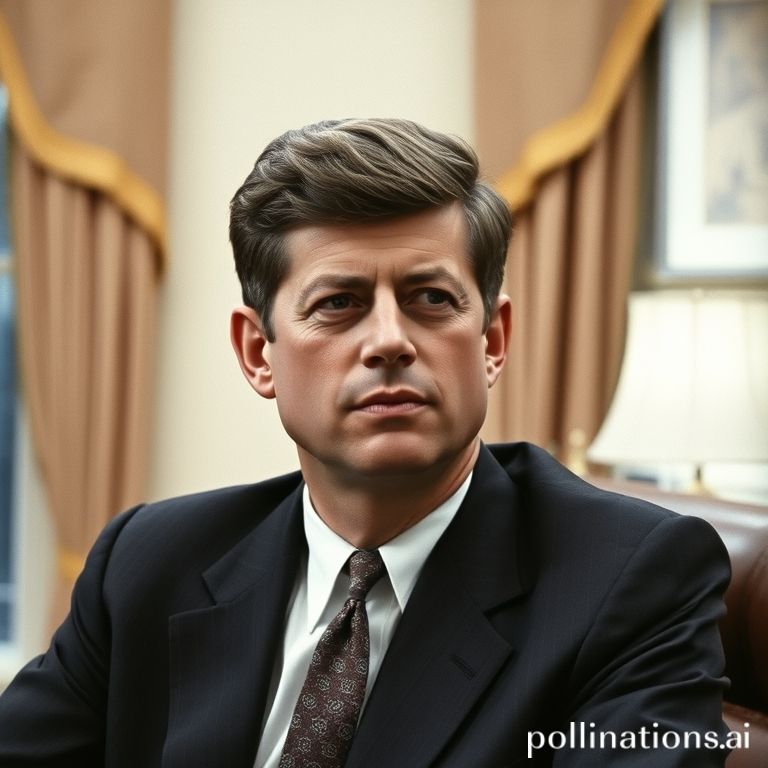
John F. Kennedy in the Oval Office

His charm made him loved; his secrets made him vulnerable. Kennedy's charisma was legendary, making him adored by millions and inspiring a generation. His captivating smile, quick wit, and eloquent delivery were powerful tools that resonated deeply with the American public. However, the meticulous secrecy required to maintain his private life created fissures in his carefully crafted public persona. The constant threat of exposure, while never fully realized during his lifetime, left him susceptible to potential blackmail and exploitation, making his position, both personally and politically, inherently precarious.

The tragic assassination of John F. Kennedy in Dallas in 1963 shocked the world and forever altered the course of American history. While his public image remains one of a visionary leader, the posthumous revelations about his health and personal life have added a complex dimension to his legacy. He remains a figure of immense fascination, embodying both the immense power and profound vulnerabilities that can accompany extraordinary leadership.

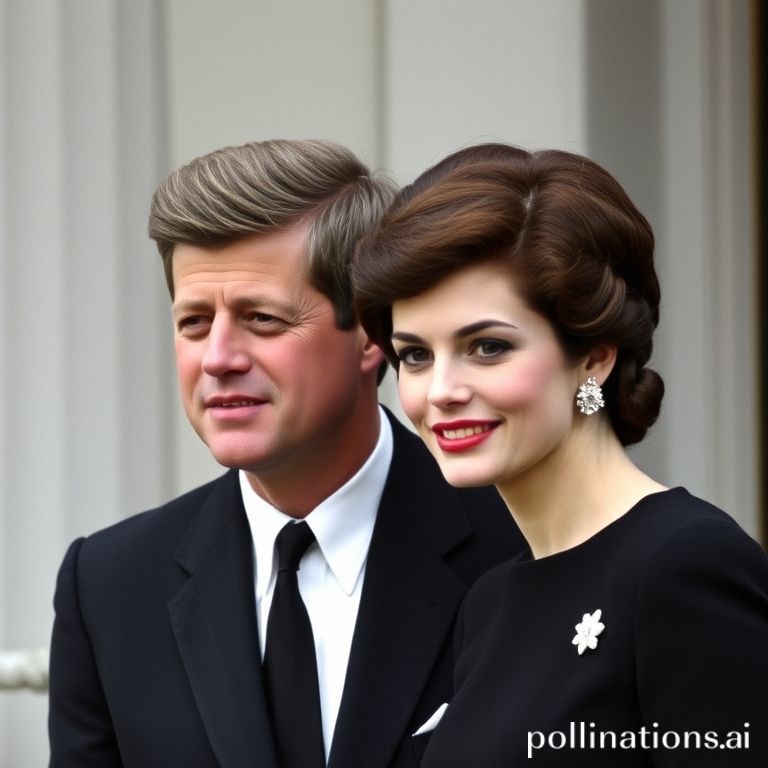
John F. Kennedy and Jacqueline Kennedy
"Ask not what your country can do for you – ask what you can do for your country." - John F. Kennedy

Elizabeth Holmes: The Rise and Fall of Theranos

Elizabeth Holmes: The Rise and Fall of Theranos

Elizabeth Holmes (USA, 1984–): The Illusion of Innovation

Elizabeth Holmes captivated the world with her vision for Theranos, a blood-testing startup that promised to revolutionize healthcare. A Stanford dropout, she founded the company in 2003 with the bold claim of being able to perform a wide range of diagnostic tests using only a few drops of blood from a finger prick. For years, she was hailed as a prodigy, a visionary entrepreneur, and the youngest self-made female billionaire.

Elizabeth Holmes in her early Theranos days

Her bad habit: **lying for ambition.** At the core of Theranos's meteoric rise was a foundation built on deception. To secure investments and partnerships, Holmes consistently misrepresented the capabilities of her company's technology. She made grand claims about devices like the "Edison" and "miniLab" that simply did not work as advertised, misleading investors, medical professionals, and the public alike about the accuracy and reliability of their blood tests.

Built a fake empire on dreams of innovation. Holmes's ambition, fueled by her charismatic persona and compelling narrative, attracted hundreds of millions of dollars from high-profile investors, including prominent political figures and business magnates. She cultivated an image reminiscent of Steve Jobs, often sporting a black turtleneck, and her company's valuation soared to over $9 billion. This empire, however, was propped up by a carefully constructed façade, where genuine scientific progress was replaced by elaborate falsehoods and cover-ups.

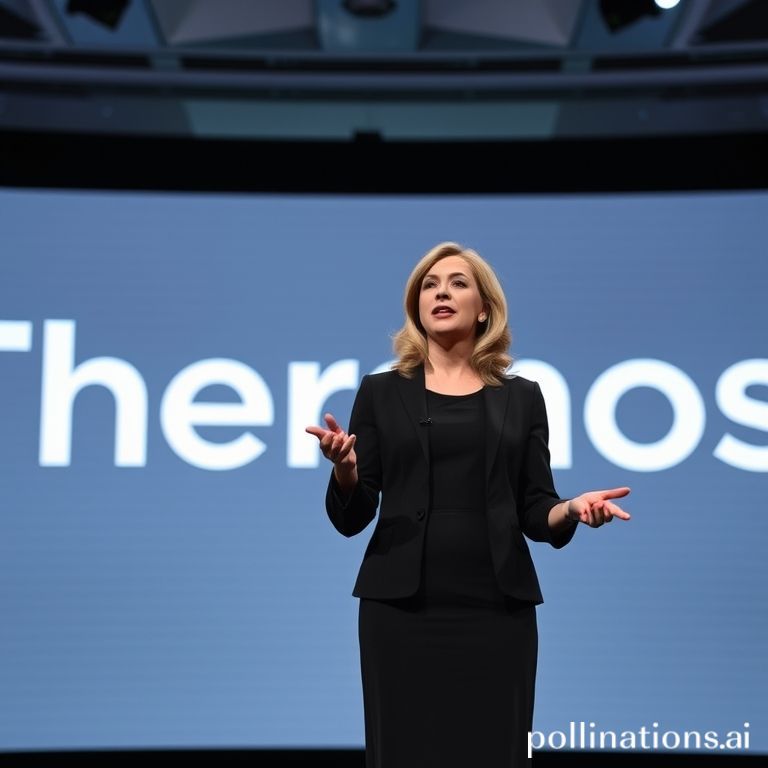
Elizabeth Holmes giving a presentation

When the truth surfaced, her empire collapsed — a modern fall from grace. The elaborate deception began to unravel in 2015 when investigative journalists and former employees exposed the fraudulent nature of Theranos's technology. Articles in The Wall Street Journal meticulously detailed the inconsistencies and falsehoods, leading to a cascade of regulatory investigations, lawsuits, and ultimately, criminal charges. The company rapidly imploded, its valuation plummeting to zero.

In 2022, Elizabeth Holmes was convicted of defrauding investors, a stark reminder that even the most compelling narratives cannot withstand the weight of persistent lies. Her story serves as a cautionary tale about the dangers of unchecked ambition, the pressure to deliver on impossible promises, and the critical importance of ethical conduct in the world of innovation.

Elizabeth Holmes during her trial
"I felt like I failed in executing on the vision I had for the company." - Elizabeth Holmes

Michael Jackson: The King of Pop

Michael Jackson: The King of Pop

Michael Jackson (USA, 1958–2009): The King of Pop's Enduring Legacy

Michael Jackson was more than just a pop star; he was a global phenomenon, a musical innovator, and an undeniable cultural icon. Born in Gary, Indiana, in 1958, his journey from a child prodigy in the Jackson 5 to the undisputed King of Pop was a tale of unparalleled success and profound personal challenges.

From a very young age, Jackson displayed an extraordinary talent for performance, captivating audiences with his electrifying dance moves and unique vocal stylings. His solo career, launched in the late 1970s, redefined popular music. Albums like "Off the Wall," "Thriller," and "Bad" broke sales records, garnered countless awards, and produced an unprecedented string of hit singles that continue to resonate with generations.

Michael Jackson in his early career

His bad habit: **perfection to the point of pain.** Michael Jackson was known for his relentless pursuit of artistic excellence. Every detail of his music, choreography, and visual presentations was meticulously crafted. This dedication resulted in groundbreaking music videos that revolutionized the medium and live performances that were nothing short of spectacular. However, this perfectionism also exacted a heavy toll, contributing to immense pressure and personal struggles.

Michael Jackson performing on stage

A musical genius who could not escape the spotlight. The immense fame that accompanied his genius brought constant scrutiny. Every aspect of his life, from his changing appearance to his personal relationships, became fodder for public consumption and speculation. Despite his efforts to maintain privacy, the spotlight was an inescapable and often overwhelming force.

His transformation and trials turned admiration into tragedy. As his career progressed, Michael Jackson's personal life became increasingly complex and controversial. His physical transformation, unique lifestyle, and later legal battles created a complex narrative that often overshadowed his musical achievements. While millions continued to adore his artistry, the challenges he faced led to a poignant and tragic end in 2009, leaving the world to mourn the loss of a legend.

Michael Jackson in an iconic dance pose

Despite the controversies, Michael Jackson's impact on music, dance, and popular culture is undeniable and everlasting. He broke racial barriers, pushed creative boundaries, and left an indelible mark on the entertainment industry. His music continues to inspire, entertain, and remind us of the extraordinary talent of the King of Pop.

"I'm a perfectionist. I'm not afraid to say that." - Michael Jackson

She Secretly Sold My Dog

She Secretly Sold My Dog | aMOMAm.com

She Secretly Sold My Dog While I Was at Work

He thought they were building a life together. But one afternoon while he was at work, she listed his dog online and sold him—without a word. When he came home, the leash was gone, and so was his best friend. What followed was heartbreak, confrontation, and an unexpected ending no one saw coming.


His name was Rusty. A 4-year-old golden retriever who slept on my feet and smiled when he saw me. I got him the year after my dad died. He saved my life.

When I met Clara, she said she loved dogs. She laughed at Rusty’s zoomies, scratched behind his ears, and even made him a peanut butter birthday cake.

Or so I thought.

The truth came out the day I came home from work, and Rusty was gone.

At first, I thought maybe she’d taken him to the vet or park. But his leash was gone. His toys were gone. His dog bed… gone.

I called her. No answer. I texted: “Where’s Rusty?” Her reply: “We’ll talk when you get home.”


I burst in the door. She was sitting calmly at the table with a glass of wine.

“Where is he?” I said.

“He’s gone,” she said. “I sold him. It was for the best.”

My knees went weak. I grabbed the table. “You WHAT?”

“He was too much. The fur, the barking, the smell. I listed him online. A family picked him up this afternoon.”

“Clara… he was MY dog. You had no right.”

“He was in our house. That made him OUR problem.”

That night, I packed her things. She begged. She cried. She said it was a mistake.

I couldn’t even hear her over the sound of the empty hallway where Rusty used to wait for me every day.

The Search

I called every vet, shelter, and Facebook group. Finally, I found the listing. It had been deleted—but a friend screenshotted it.

There was a phone number. I called. A woman answered.

“Yes,” she said. “We adopted Rusty. He’s safe. But he cries at the door a lot. He misses someone.”

I explained everything. She cried. “He’s yours,” she said. “Come get him.”

I picked him up the next morning. He tackled me. Whimpered. Licked my entire face.

The Goodbye

Clara moved out. I didn’t need closure. I had Rusty. And that was enough.

Now, I triple-lock the door when I leave for work. And Rusty? He sleeps right next to it. Guarding it. Just in case someone ever tries to walk out with him again.

Love is loyal. Anyone who doesn't get that... doesn't belong in your life.


Inspired by true events. Shared with permission. Discover more real-life stories at aMOMAm.com.

He Changed the Locks While I Was at Work

He Changed the Locks While I Was at Work | aMOMAm.com

He Changed the Locks While I Was at Work

🎙 Voiceover Script (60 words):
She kissed him goodbye that morning like every day. But when she returned from work, her key no longer fit the door. Her fiancé had changed the locks—without a warning. Trash bags held all her clothes. And a note taped to the door told her everything she never saw coming. This is how her relationship ended in silence.


It was a Tuesday. I remember because I had leftovers for lunch—chicken stir fry I made the night before.

I remember because I kissed him goodbye that morning. I remember because I told my coworker I was excited to watch a movie with him that night.

And I remember because when I got home… my key didn’t fit the door.

At first, I thought I was just tired. Maybe I was inserting it wrong. I tried again. And again.

Then I noticed the trash bags. Six of them. All lined up by the steps. My suitcases. My purse. My makeup. My shoes.

And taped to the front door—

“Please don’t make a scene. You’re not coming back inside. I’m done. I’m sorry.”

He changed the locks. And ended our relationship with a note.


I froze. The neighbor across the street peeked through his curtain.

We had been together for five years. Engaged for one. And we had just finished planning the catering for the wedding.

I had no warning. No fight. No argument. Just... trash bags and a letter taped to the door.

The Silent Ending

I called his phone. Straight to voicemail. I texted. No response.

That night, I slept at my sister’s. She cried more than I did.

He never reached out. Not once. No apology. No closure. Just gone.

Days later, I got a voicemail from his mom. She said, “He wasn’t ready. He felt trapped. It’s not your fault.”

Then why did I feel like garbage left out on the curb?

Finding My Voice Again

It took months. Months to sleep through the night. Months to delete our photos. Months to remember who I was before him.

I threw away the wedding dress I had hidden in my mom’s attic. I blocked his number. I started therapy.

One morning, I woke up and realized—

“I wasn’t broken. He was just too cowardly to say goodbye with words.”

Today, I own my own apartment. I laugh harder. I trust slower. But I live louder.

And I promise you—

If someone ever tries to silence your worth with a door, walk through your own.


Inspired by real experiences. Shared with permission. Discover more stories that matter at aMOMAm.com.

The woman searching and finding the passport drawer empty

My Fiancé Hid My Passport | aMOMAm.com

My Fiancé Hid My Passport Before My Bachelorette Trip

🎙 Voiceover Script (60 words):
She was ready for her dream bachelorette trip—but when her fiancé started acting strange, something felt off. The truth? He secretly hid her passport in fear she might cheat. What followed was heartbreak, confrontation, and a plan she never expected to make. This is the shocking story of betrayal before the wedding bells.


For months, my best friends and I had been planning the perfect bachelorette trip. A calm coastal getaway filled with yoga, sangria, and pottery. We were going to laugh until our stomachs hurt, wear matching sundresses, and toast to the end of my single life.

But in the days leading up to the trip, my fiancé Derek started acting off.

He kept asking, “Do you *really* need to go?” “What if we just spent the weekend together instead?” “You know how those trips can get...”

I laughed it off. I trusted him. I thought he trusted me too.

But then, the night before the trip, as I packed my final things, I went to grab my passport—and it was **gone**.

Gone. Vanished. Not in the drawer. Not in my bag. Not anywhere.


I tore apart every drawer. Every pocket. The car. The laundry. Nothing.

After three days of searching, crying on the bedroom floor, I was completely broken.

That’s when Tasha—my best friend—came by with her boyfriend, Mark. Mark was also Derek’s close friend.

He looked... guilty. And when Derek wasn’t around, he pulled me aside.

“I can’t keep this from you. Derek took your passport. He hid it in his suitcase. He’s terrified you’d cheat on him during the trip.”

I blinked. My knees buckled. He what?

He didn’t trust me. He didn’t even ask. He just made the decision for me.

I didn’t scream. I didn’t call Derek. I just wiped my face… and made a plan.

The Plan

That night, Derek came home. He kissed my forehead and whispered:

“Maybe it’s fate. Maybe you should just stay here. I’ll take care of everything.”

I smiled. “Yeah,” I said. “Maybe you’re right.”

The next morning, my friends came over as planned. Derek sat in the living room, grinning like he’d won.

Then Tasha leaned in and said: “Actually... we booked you a whole new flight. No passport needed.”

Derek’s face fell.

I turned to him, calmly. “And I packed your suitcase. You can stay with your mom for the weekend.”

The Fallout

That weekend, I went on my trip. We sipped wine on the cliffs. Laughed in the sun. And I cried. I cried for what I thought I had, and for the version of Derek I believed in.

When I came back, I called off the wedding. He begged. He said he panicked. That it was “just a mistake.”

But here’s the thing—love isn’t love without trust.

If you have to trap someone to keep them, they were never truly yours.


Based on a true story. Shared with permission. Discover more emotional stories at aMOMAm.com.

My fiancé hid my passport before my bachelorette trip

My Fiancé Hid My Passport | aMOMAm.com

My Fiancé Hid My Passport Before My Bachelorette Trip

🎙 Voiceover Script (60 words):
She was ready for her dream bachelorette trip—but when her fiancé started acting strange, something felt off. The truth? He secretly hid her passport in fear she might cheat. What followed was heartbreak, confrontation, and a plan she never expected to make. This is the shocking story of betrayal before the wedding bells.


For months, my best friends and I had been planning the perfect bachelorette trip. A calm coastal getaway filled with yoga, sangria, and pottery. We were going to laugh until our stomachs hurt, wear matching sundresses, and toast to the end of my single life.

But in the days leading up to the trip, my fiancé Derek started acting off.

He kept asking, “Do you *really* need to go?” “What if we just spent the weekend together instead?” “You know how those trips can get...”

I laughed it off. I trusted him. I thought he trusted me too.

But then, the night before the trip, as I packed my final things, I went to grab my passport—and it was **gone**.

Gone. Vanished. Not in the drawer. Not in my bag. Not anywhere.


I tore apart every drawer. Every pocket. The car. The laundry. Nothing.

After three days of searching, crying on the bedroom floor, I was completely broken.

That’s when Tasha—my best friend—came by with her boyfriend, Mark. Mark was also Derek’s close friend.

He looked... guilty. And when Derek wasn’t around, he pulled me aside.

“I can’t keep this from you. Derek took your passport. He hid it in his suitcase. He’s terrified you’d cheat on him during the trip.”

I blinked. My knees buckled. He what?

He didn’t trust me. He didn’t even ask. He just made the decision for me.

I didn’t scream. I didn’t call Derek. I just wiped my face… and made a plan.

The Plan

That night, Derek came home. He kissed my forehead and whispered:

“Maybe it’s fate. Maybe you should just stay here. I’ll take care of everything.”

I smiled. “Yeah,” I said. “Maybe you’re right.”

The next morning, my friends came over as planned. Derek sat in the living room, grinning like he’d won.

Then Tasha leaned in and said: “Actually... we booked you a whole new flight. No passport needed.”

Derek’s face fell.

I turned to him, calmly. “And I packed your suitcase. You can stay with your mom for the weekend.”

The Fallout

That weekend, I went on my trip. We sipped wine on the cliffs. Laughed in the sun. And I cried. I cried for what I thought I had, and for the version of Derek I believed in.

When I came back, I called off the wedding. He begged. He said he panicked. That it was “just a mistake.”

But here’s the thing—love isn’t love without trust.

If you have to trap someone to keep them, they were never truly yours.


Based on a true story. Shared with permission. Discover more emotional stories at aMOMAm.com.


She Vanished on My Birthday

She Vanished on My Birthday | aMOMAm.com

She Vanished on My Birthday


For his 30th birthday, he waited at the restaurant she chose. But she never came. That night, he found her gone—and a note: "I love you, but I need to find out who I am without you." Four years later, he still gets a card from her. Always from a different country.


I turned 30 on a quiet Thursday in November. My wife, Elaine, had been talking about doing something special. She loved surprises—grand gestures, sparkler candles, blindfolds before destination reveals. So I wasn’t surprised when she said, “Dress nice. I’ll meet you at Palmer’s at 7.”

Palmer’s was our spot. A cozy restaurant tucked on a side street downtown, where we celebrated our first anniversary and half our major fights ended in quiet forgiveness over crème brûlée.

I showed up early. Nervous. Excited. I texted her: “I’m here.” She replied, “Me too. Just parking.” That was the last message I got from her.

An hour passed. Then two. The waiter kept refilling my water. I kept telling him, “She’s just running late.” But even he stopped asking after a while.

I called. No answer. Texted. No read receipts. I started walking home.

When I got home, the lights were off. Her coat wasn’t on the hook. Her favorite coffee mug was gone from the sink. I went to the bedroom. Her side of the closet looked bare. And her suitcase—the brown leather one with the “E.L.” monogram—was missing.

That’s when I found the note. It was folded neatly under my pillow.

“I love you. But I need to find out who I am without you. Please don’t try to find me.”

At first, I thought it was a joke. Something out of a movie. But everything was real. She was gone.

The Days That Followed

I filed a missing person report within 48 hours. The police treated it like a voluntary disappearance. No signs of foul play. No suspects. Nothing to follow.

Her friends said she’d been acting distant. One told me Elaine had been reading books about “reinvention.” Another mentioned she’d started taking solo walks at night.

One even said Elaine confided she felt like she was “losing herself” in the life we built.

That crushed me more than the silence.

The First Year

I checked our joint bank account. She’d withdrawn half and opened a new checking account. She left her wedding ring in a small dish on the bathroom counter.

I got therapy. My therapist said Elaine may be “soul-searching.” I was told to not romanticize her leaving, but I couldn’t stop imagining where she was. Who she was with. If she was happy.

Then, almost exactly a year later, I got a card in the mail. No return address. It was a birthday card. Just three words written inside: “Still thinking of you.”

The postmark was from Ireland.

Year After Year

The next year, a card from Morocco. The next—India. Then Colombia. Always a short message. Never an explanation. Just enough to haunt me.

I’ve never responded. I don’t know where to write back. I don’t even know if I should. Part of me resents her. But another part of me still loves her.

I started dating again. Tried. Failed. I told one woman everything. She ghosted me the next day. Can’t blame her.

Now

It’s been four years. I still get her cards. I still celebrate my birthday at Palmer’s—alone. Not because I’m hoping she’ll show up… but because I want to keep that part of me alive.

I don’t know where she is. I don’t know who she’s become. But I hope—wherever she is—she’s found what she was looking for.

And maybe, someday, I will too.


Inspired by true events. Shared with permission. For more real-life reflections and emotional stories, visit .