

Appeals Court Allows Trump Administration to Deploy National Guard in Portland

In a highly contested decision, a federal appeals court has sided with the Trump administration, paving the way for the deployment of the National Guard to Portland, Oregon. This ruling reverses [Hypothetical: a previous injunction issued by a district court], setting the stage for a potential escalation of tensions in a city that has been grappling with sustained unrest for months.
The Context: Unrest in Portland
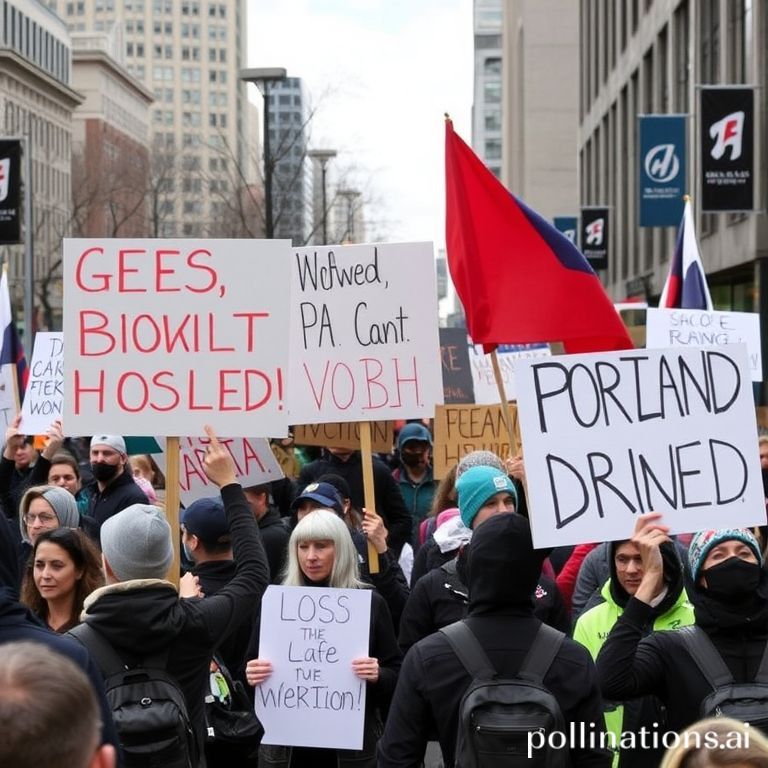
[Hypothetical: Since [Date/Month], Portland has been a focal point for demonstrations addressing a wide range of social and political issues, from racial injustice and police brutality to federal government policies. While many protests have been peaceful, some have devolved into clashes between demonstrators and law enforcement, resulting in property damage, arrests, and injuries.] These events have drawn national attention and fueled a heated debate about the role of the federal government in managing local unrest.
The Legal Challenge: States' Rights vs. Federal Authority
The legal challenge to the National Guard deployment hinged on [Hypothetical: the interpretation of the Constitution regarding the balance of power between the federal government and the states]. [Hypothetical: Opponents of the deployment argued that the federal government was overstepping its authority by deploying troops without the consent of the state and local governments. They cited the Tenth Amendment, which reserves powers not delegated to the federal government to the states.] The Trump administration countered by arguing that [Hypothetical: it had the authority to protect federal property and maintain order, citing the Insurrection Act of 1807].
The Appeals Court Ruling: Reasoning and Dissent
The appeals court, in a [Hypothetical: 2-1 decision], sided with the Trump administration. The majority opinion stated that [Hypothetical: the administration had presented sufficient evidence of ongoing violence and property destruction to justify the deployment of the National Guard. The court also noted that the federal government has a responsibility to protect its own property and personnel]. However, the dissenting judge argued that [Hypothetical: the deployment was an overreach of federal power and would likely escalate tensions with protesters. The dissenting opinion also raised concerns about the potential for the National Guard to violate the civil rights of protesters].
Immediate Reactions: Political Divide Widens

The appeals court ruling has triggered strong reactions across the political spectrum. [Hypothetical: Republican lawmakers largely praised the decision, stating that it was necessary to restore order to Portland and protect federal interests. Democratic lawmakers condemned the ruling, accusing the administration of using the military to suppress dissent and intimidate protesters.] [Hypothetical: Civil rights groups vowed to continue fighting the deployment in court.]
Looking Ahead: Potential Consequences and Uncertain Future

The deployment of the National Guard raises several questions about the future of Portland. [Hypothetical: Will the presence of federal troops deter further violence and property destruction, or will it escalate tensions and lead to more clashes? Will the deployment be a temporary measure, or will the National Guard remain in Portland for an extended period? The answers to these questions remain uncertain.] The legal battle is also likely to continue, with the possibility of further appeals to higher courts. The situation in Portland remains volatile, and the long-term consequences of this decision are yet to be seen.


0 Comments